
ou’ve probably noticed that your vegetables wilt faster than expected, despite being stored in the refrigerator. Soft lettuce leaves, mushy cucumbers, carrots that lose their crunch… However, the problem does not necessarily come from the freshness of the food purchased, but rather from a common mistake that 95% of people make: an incorrect temperature setting in the refrigerator.
Why is refrigerator temperature crucial?
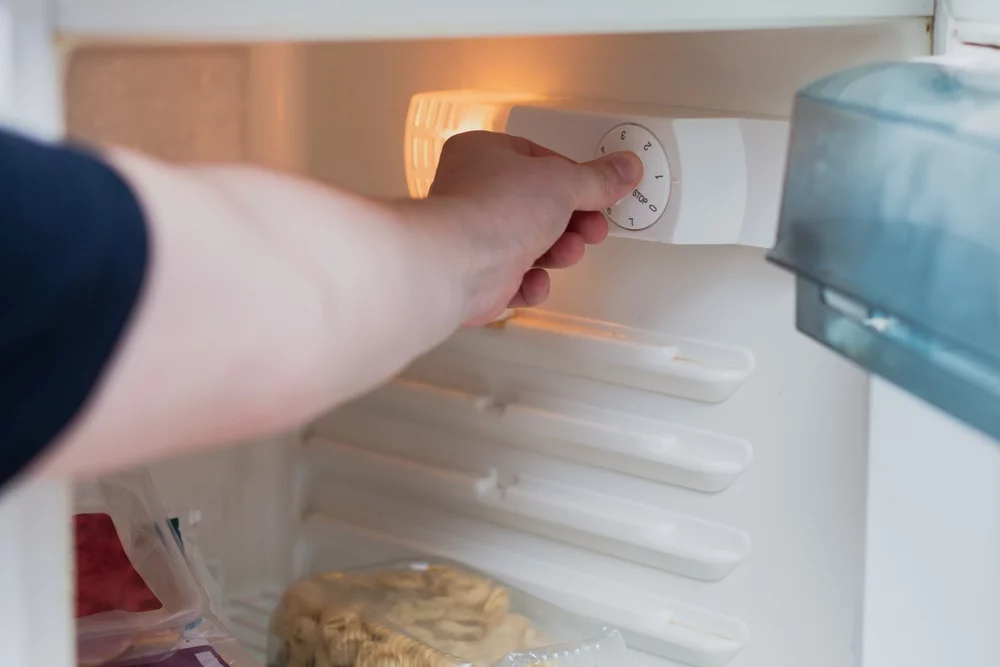
The refrigerator is designed to slow down the spoilage process of food, but an incorrectly set temperature can have the opposite effect.
- Too low , it can cause certain delicate vegetables such as tomatoes or cucumbers to freeze, altering their texture and taste.
- Too high , it promotes the proliferation of bacteria and accelerates wilting.
The ideal temperature to keep your vegetables fresh
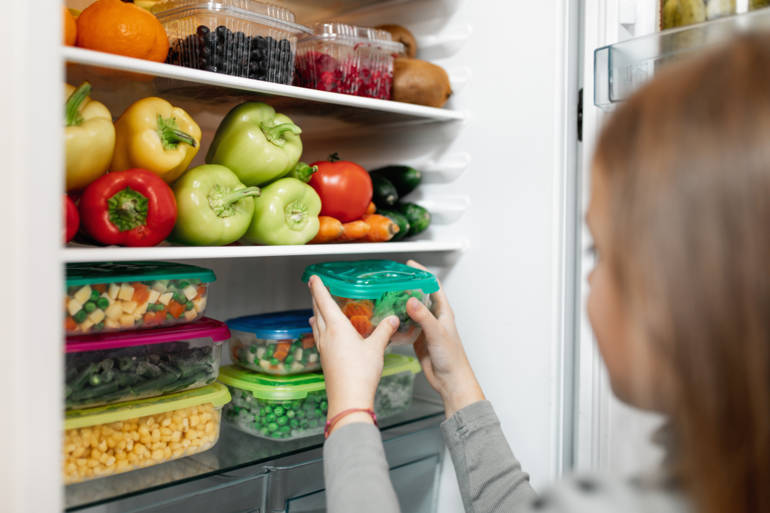
The best temperature range for storing your vegetables is between 3 and 9°C , depending on their type and humidity level. Here are some specific recommendations to avoid waste:
- Leafy vegetables (lettuce, spinach, kale): 3 to 5°C
These vegetables are particularly sensitive to heat and should be stored in the vegetable drawer, which often has an adjustable humidity level.
- Root vegetables (carrots, beets, radishes): 5 to 7°C
They can withstand slightly higher temperatures, but should be stored away from excessive humidity.
- Fruit vegetables (peppers, zucchini, eggplant): 7 to 9°C
Less sensitive to cold, they retain their flavor and texture better at moderate temperatures.
How to check and adjust the temperature of your refrigerator?
How to check and adjust the temperature of your refrigerator?
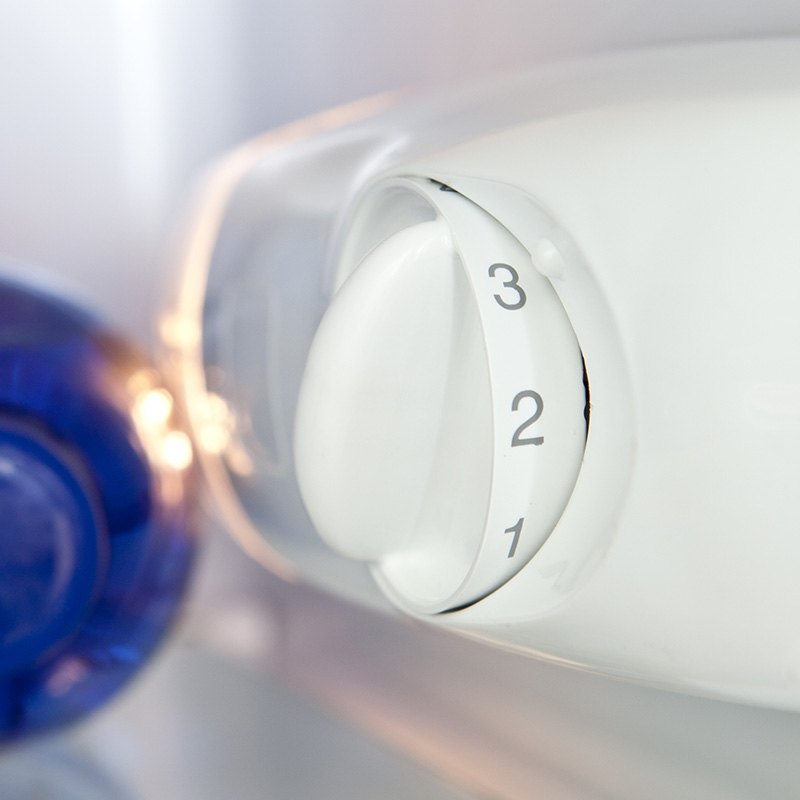
- Use a refrigerator thermometer: Don’t rely solely on the dial. Place the thermometer in different areas of the refrigerator to identify temperature variations.
- Set the temperature between 3 and 5°C for the main compartments and 6 to 9°C for the vegetable drawers.
- Avoid overloading the refrigerator , as this prevents proper circulation of cold air and creates areas of uneven temperature.
- Store food properly , using the appropriate compartments: vegetables in the humidity-controlled drawer and dairy products at the top, where the temperature is more stable.
Common mistakes to avoid
- Placing vegetables too close to the back wall of the refrigerator , where they may freeze.
- Not covering or wrapping vegetables properly will accelerate their dehydration.
- Leaving the refrigerator at too low a temperature , which alters the texture of vegetables and increases energy consumption.
Conclusion
Proper refrigerator settings are essential to extend the life of your vegetables and avoid food waste. Remember to check the temperature regularly and adjust the storage of your food to preserve its freshness and nutrients.
Adopt these good practices today and enjoy crunchy vegetables for longer!


0 comments:
Post a Comment