
Today we’re going to talk about one of the most hardworking and underappreciated organs in your body: the liver. Did you know that in countless people, this vital organ is slowly deteriorating without them even knowing it? The cells in your liver can become inflamed, get clogged with fat, and even form permanent scar tissue that chokes the life out of the organ. And the scariest part? This often happens in complete silence.
The problem with liver damage isn’t just that it’s silent in the beginning. It’s that when the symptoms finally do appear, they can be incredibly subtle. You might think it’s just a meal that didn’t agree with you, that you’re coming down with the flu, or you might blame it on stress and a lack of sleep. Both you and your doctors might think the problem lies elsewhere, all while inflammation and scarring are progressing. By the time you realize something is seriously wrong with your liver, it might be too late, with up to 90% of the organ already affected.
But the information I’m going to share with you today is powerful. Your liver has a remarkable ability to regenerate, especially when you give it what it needs. And believing that liver damage only comes from drinking alcohol is a grave mistake. There are many other common causes of liver disease you need to know about, because the sooner you identify them, the faster you can reverse the damage and regenerate this incredible organ. (This article is informed by the perspectives of Dr. RN Veller.)
📌Key Takeaways
Silent Damage: Liver disease often develops without obvious symptoms until it’s in an advanced stage.
Subtle Clues: The earliest signs are often vague and can be mistaken for other common health issues like fatigue, indigestion, or stress.
Beyond Alcohol: While alcohol is a well-known cause, a poor diet, certain medications, and hidden infections are major contributors to liver damage.
Regeneration is Possible: The liver has a unique ability to heal and regenerate itself if the underlying cause of the damage is addressed early on.
Listen to Your Body: Paying attention to the subtle signs discussed in this article and consulting a doctor can lead to early detection and treatment, preventing irreversible damage.
🔥The 4 Main Causes of Liver Damage
Before we dive into the signs, it’s crucial to understand what’s causing the damage in the first place. Here are the four primary culprits you need to be aware of:
Excess Sugary and Processed Foods: This is a big one. We’re talking about white flours, and especially pure fructose. The industrial fructose found in filtered fruit juices, sodas, and energy drinks is particularly damaging, leading directly to a condition known as non-alcoholic fatty liver disease (NAFLD).
Industrial Seed Oils: The daily consumption of vegetable seed oils rich in Omega-6 fatty acids—like corn, canola, soy, and sunflower oil—is highly inflammatory. These oils are found everywhere, from fried foods and baked goods to most processed junk food. They are toxic to your liver and should be avoided.
Certain Medications: High and frequent doses of common pain relievers like acetaminophen (Tylenol) or anti-inflammatories like ibuprofen (Advil) can be very hard on your liver. Some antibiotics and other prescription drugs can also contribute to liver strain and damage over time.
Hidden Viral Infections: Viruses like hepatitis B and C can cause a chronic, silent infection that leads to progressive liver damage, chronic inflammation, and eventually cirrhosis or even liver cancer. These infections can go undetected for years.
All of these causes can trigger inflammation, fatty liver, and cirrhosis. Now, let’s look at the 10 signs your body might be sending you that your liver is in trouble.
⚠️10 Subtle Signs of a Damaged Liver
➡️10. A Strange Sensation Under Your Right Rib Cage
One of the very first physical clues you might notice is a strange feeling just beneath your right ribs. It might not be a sharp pain, but more of a persistent pressure, a feeling of fullness or weight, or just a dull ache. This happens because as your liver becomes inflamed and swollen, it starts to take up more space than it should. Your liver itself doesn’t have nerve endings, so it can’t directly feel pain. What you’re actually feeling is the enlarged organ pressing against other structures like your diaphragm, your ribs, and the sensitive capsule that surrounds it. It’s crucial not to ignore this sensation. This discomfort can also radiate to your right shoulder, the side of your neck, or even your right shoulder blade. It can feel like a stubborn muscle knot you can’t get rid of. Many people mistakenly seek physiotherapy or massages for their shoulder, not realizing the root of the problem is their liver.
➡️9. A Noticeable Drop in Energy and Stamina
Maybe you don’t feel completely exhausted, but you notice your stamina just isn’t what it used to be. If you exercise or do any strenuous activity, it feels like your internal battery drains much faster than it should. Have you ever felt like you need to go to bed much earlier, completely wiped out without a clear reason why? You might also feel incredibly tired and heavy after eating a meal. When this becomes a daily occurrence, pay close attention. Your liver plays a key role in maintaining stable energy levels. It’s responsible for storing glucose (your body’s fuel) and releasing it whenever you need a boost. When your liver is in trouble, it struggles with this function. Furthermore, a struggling liver allows toxins to build up in your bloodstream, which causes systemic inflammation and a feeling of profound fatigue that your whole body feels.
➡️8. Itchy Skin for No Apparent Reason
This isn’t just a minor, localized itch. We’re talking about a persistent, often maddening itch that can appear anywhere on your body but is very common on the palms of your hands and the soles of your feet. For many, it gets significantly worse at night. This happens because when your liver is damaged, the flow of bile can become blocked. Bile salts, which are produced by the liver to aid digestion, start to accumulate in your body and get deposited in your skin. These trapped substances irritate the nerve endings in your skin, causing intense itching. So, if you’re experiencing persistent itching without a clear cause like a rash or dry skin, it could be a warning that your liver isn’t filtering properly.
Advertisement
➡️7. Red Spots or Spider Veins on Your Skin
Have you noticed small, red, spider-like blemishes on your skin, particularly on your chest, face, or arms? These are called spider angiomas and they appear because of elevated levels of estrogen in your bloodstream. A healthy liver is responsible for processing and balancing hormones, including estrogen. When it’s not working well, estrogen levels can rise. In men, this hormonal imbalance can lead to more than just skin spots; it can cause breast tissue to enlarge (a condition called gynecomastia) and a loss of hair on the legs, leaving the skin looking smoother and shinier.
➡️6. The Onset of Thyroid Problems
The liver and the thyroid work together as a team. If your liver isn’t functioning properly, your thyroid can start to fail. This is because about 80% of the inactive thyroid hormone (T4) is converted into the active form (T3) in the liver. If your liver is damaged, this conversion process is impaired, and your thyroid hormones can’t be activated correctly. This can trigger a cascade of symptoms. Your chronic fatigue can worsen significantly, you might start losing hair, your cholesterol levels may rise for no clear reason, and your skin can become very dry. These changes are often subtle at first, but they tend to get worse over time if the liver doesn’t recover.
Persistently Low Vitamin D Levels
This is a very telling sign. You might have low Vitamin D levels even if you take supplements or spend time in the sun. This is because one of the liver’s most important jobs is to store and, crucially, activate Vitamin D. When you get this vitamin from food, supplements, or sun exposure, it travels through your blood to the liver and then the kidneys to be converted into its active, usable form. If your liver is damaged, it can’t perform this activation step correctly, causing your body’s usable Vitamin D levels to plummet. A deficiency in Vitamin D can weaken your bones, but it also severely impacts your immune system, heart health, and overall energy.
 4. Your Urine Becomes Darker
This might seem like a minor thing, but it’s a significant clue. You suddenly notice that your urine is much darker than usual, perhaps the color of dark tea. The smell might also be different—stronger and more concentrated, like the first urine of the morning, but more intense and happening throughout the day. What’s happening is that your liver isn’t doing its job of filtering toxins and waste products. These substances then overload your system, and your kidneys try to pick up the slack. A portion of these excess toxins, like bilirubin, ends up in your urine, changing its color and giving it that distinct smell.
3. Your Stools Become Pale or Clay-Colored
Just as the color of your urine tells a story, so does the color of your stool. When everything is working well, your liver releases bile to help digest the fats you eat. It’s this bile that gives your stool its typical brown color. However, if you’re dealing with liver disease, a fatty liver, or severe inflammation, the flow of bile can be blocked or reduced. This results in stools that are much lighter, pale, or even the color of clay. In some cases, because fat isn’t being digested properly, your stools might also float in the toilet bowl.
2. Difficulty with Night Vision
Finding it harder to see in low light or at night? This can be a surprising symptom of liver disease. The accumulation of toxins in your blood can affect your nervous system, including the delicate nerves in your eyes. More directly, liver disease can lead to poor absorption of vitamin A. Bile, produced by the liver, is essential for your intestines to absorb fat-soluble vitamins like A. Vitamin A is absolutely crucial for the cells in your eyes (the rods and cones) to adapt to changes in light. While poor night vision can be a symptom of other eye problems, you shouldn’t dismiss the liver, especially if you also experience dry, irritated eyes or a persistent gritty feeling.
1. Swollen Feet and Ankles
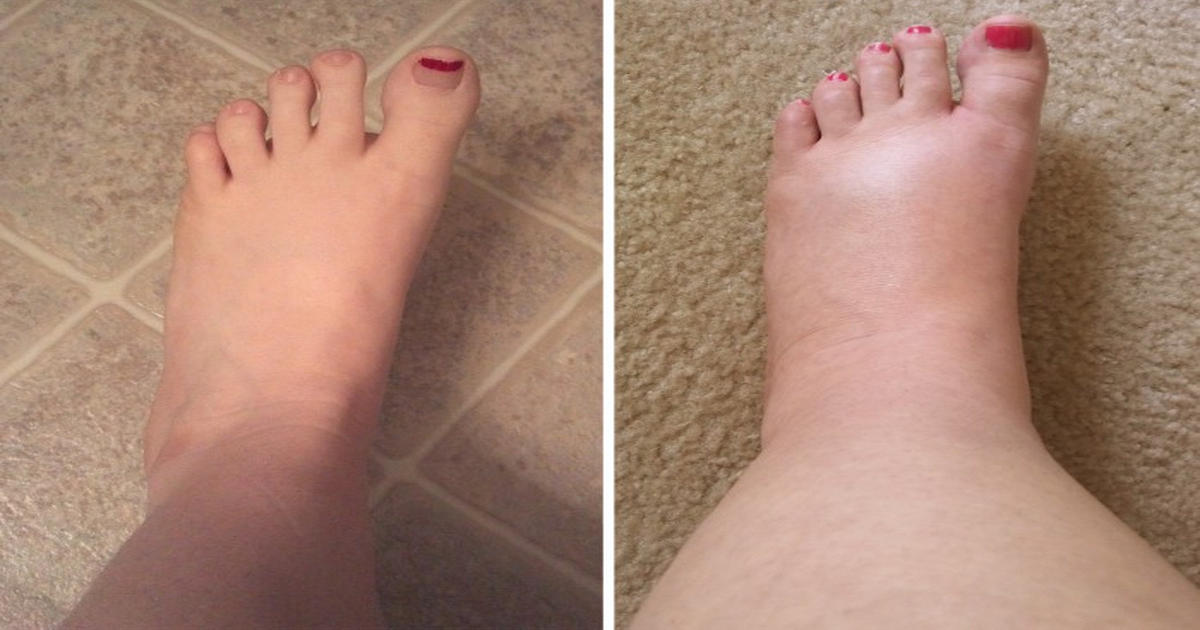
As liver damage progresses, scar tissue begins to form. At first, these scars are small, but they can still obstruct the flow of blood through the major veins in your abdomen. This obstruction causes the pressure inside those veins to increase significantly. This high pressure forces fluid to leak out of the blood vessels and accumulate in your tissues, resulting in swelling (edema), most commonly in your legs, ankles, and feet. A tell-tale sign of this type of swelling is that if you press your finger into the affected area, it leaves an indentation that remains for a few seconds. Your socks might also leave deep marks on your ankles.
 What to Do If You Have These Symptoms
The first thing to understand is that in many cases, the liver can regenerate completely, and the disease can be reversed, often with natural methods and lifestyle changes. That said, if you are experiencing any of these symptoms, you must schedule a visit with your doctor as soon as possible. They will likely order some blood tests to check your liver enzymes and an ultrasound to get a visual of your liver’s condition. It’s essential to find the root cause of the problem to attack it directly. It’s important to remember that these symptoms are not always caused by liver problems, but a sick liver must be ruled out early to begin treatment quickly and give your body its best chance to heal.


0 comments:
Post a Comment