
If you often experience tingling, redness, or blurred vision, it is best to reduce your garlic intake to avoid any complications.
Tip: If you have poor vision or chronic eye problems, talk to a healthcare professional before using it regularly.
People with diarrhea should avoid raw garlic.

Raw garlic is known to aid digestion and fight bacterial infections, but it can have the opposite effect in people with diarrhea. In cases of gastrointestinal disorders, such as cholera or food poisoning, garlic may further irritate the intestines and worsen symptoms by altering stomach acid.
Eating garlic on an empty stomach can cause heartburn.
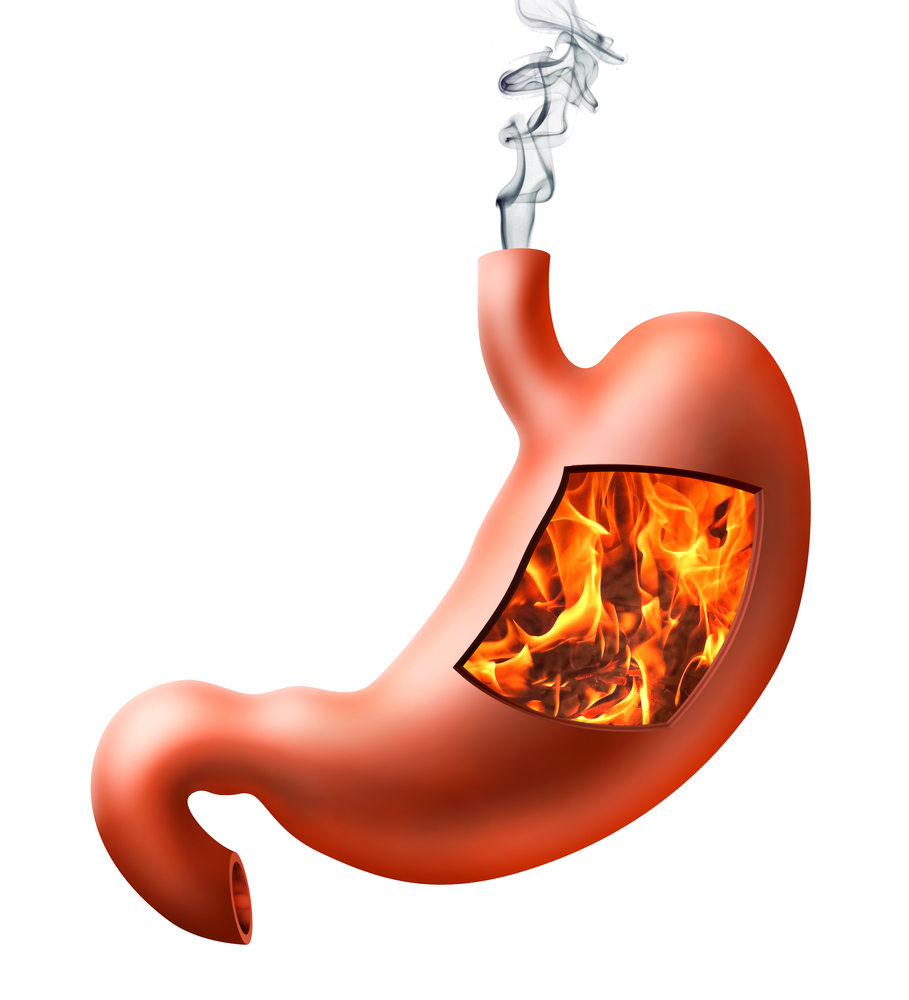
If you’re used to eating garlic in the morning on an empty stomach for its detoxifying benefits, be aware that this can be risky. Garlic contains powerful sulfur compounds that, when consumed alone, can irritate the stomach lining and lead to ulcers or abdominal pain.
People suffering from acidity or ulcers should therefore avoid consuming on an empty stomach.
Tip: Include garlic in balanced meals and avoid eating it alone on an empty stomach to protect your stomach.
Conclusion
Garlic remains a valuable ally for health, but like any powerful food, it should be consumed in moderation and according to your health condition. If you belong to one of these risk groups, it is advisable to consult a professional before regularly incorporating it into your diet.
By being careful, you can fully enjoy its benefits while avoiding its unwanted effects.


0 comments:
Post a Comment